The Food Danger Zone (40°F to 140°F) Explained
Why the 2-hour rule exists and how to keep food out of the range where bacteria multiply.
We may earn a commission when you buy through links on this page, at no extra cost to you. This does not change which products we cover. How we make money.
USDA FSIS says bacteria grow most rapidly between 40°F and 140°F, doubling in as little as 20 minutes. That range is the Danger Zone.
The rules
- 2 hours: never leave food out of refrigeration longer. 1 hour if it is above 90°F.
- Hot food hot: at or above 140°F, in chafing dishes, warming trays or slow cookers.
- Cold food cold: at or below 40°F, in containers on ice.
- Roasting: use an oven no lower than 325°F.
Leftovers
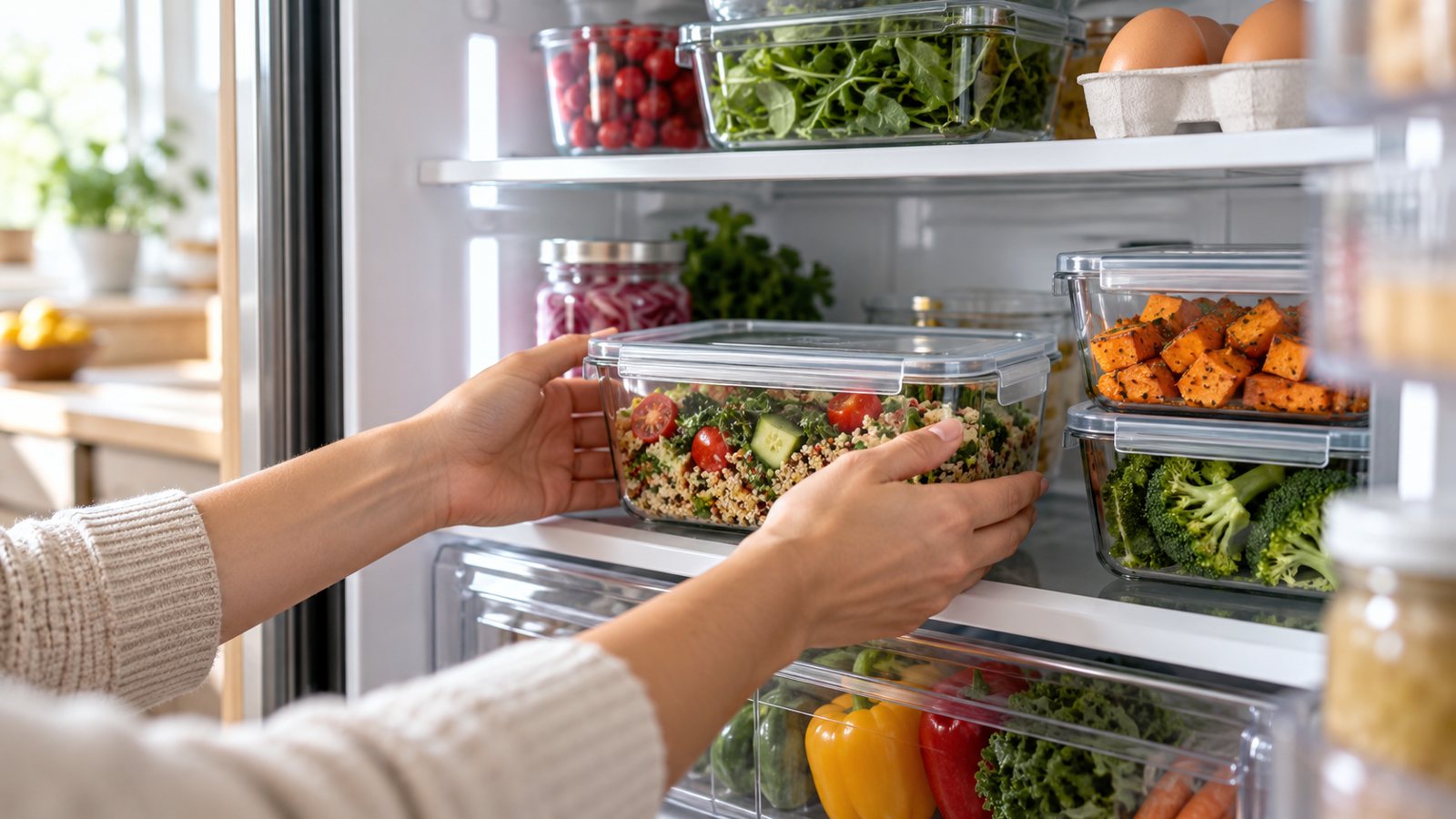
Put leftovers in shallow containers and refrigerate at 40°F or below within two hours. Reheat to 165°F. For how long they keep, see the fridge and freezer storage chart.
Why the clock matters
FSIS names the bacteria that can grow to dangerous levels when food sits out too long: Staphylococcus aureus, Salmonella Enteritidis, E. coli O157:H7 and Campylobacter. They grow fastest between 40°F and 140°F. Because the count can double in as little as 20 minutes, a dish left out for two hours has had time for several doublings. That is why the limit is a hard 2 hours, and why it drops to 1 hour on a day above 90°F.
Keeping a buffet or potluck safe
| Situation | What FSIS says to do |
|---|---|
| Hot dishes waiting to be served | Hold at 140°F or above in chafing dishes, preheated steam tables, warming trays or slow cookers |
| Cold dishes on the table | Hold at 40°F or below by setting containers on ice |
| Food out at room temperature | Discard after 2 hours, or after 1 hour above 90°F |
| Hot food not served right away | Keep it at 140°F or above |
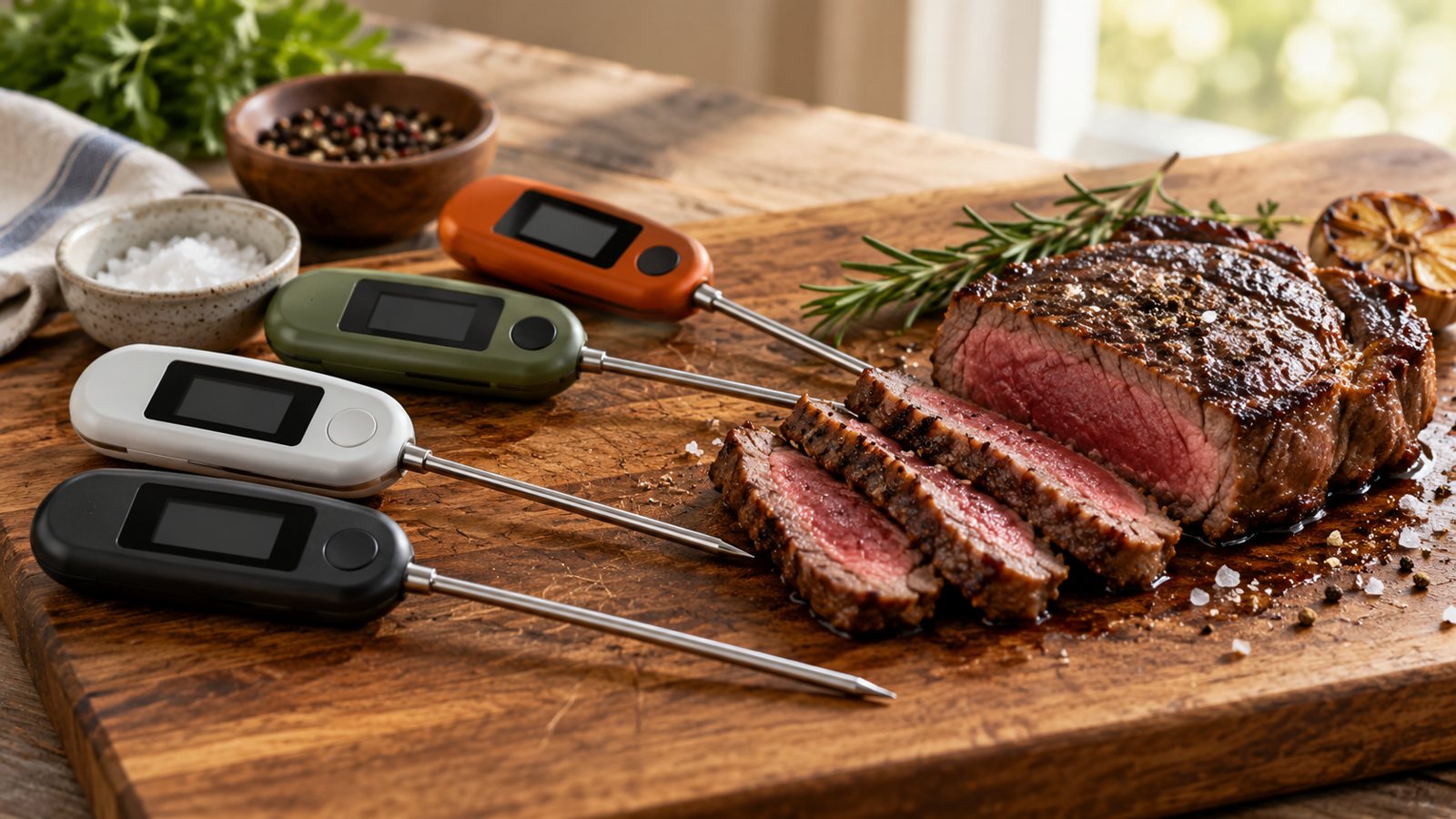
A probe thermometer is the only way to confirm a warming tray or ice bath is doing its job. Check the food itself, not the tray.
Cooking and roasting
FSIS says raw meat and poultry should always be cooked to a safe minimum internal temperature, and that roasting should use an oven set no lower than 325°F. Lower oven settings keep food in the Danger Zone for longer on its way up. Our safe cooking temperatures chart lists the minimum for each food.
Cooling and reheating leftovers
FSIS calls improper cooling of cooked food one of the most common causes of foodborne illness. Bacteria can be reintroduced after food is safely cooked, so cooking does not make leftovers safe forever. The steps:
- Divide large batches into shallow containers so they cool quickly.
- Refrigerate at 40°F or below within two hours of cooking.
- Reheat to an internal temperature of 165°F, or until hot and steaming.
- In a microwave, cover the food and rotate it so it heats evenly, then check several spots.
Questions to ask yourself
- How long has it been out? If you do not know, the 2-hour rule cannot protect you.
- How hot is the room or the picnic? Above 90°F, the limit is 1 hour.
- Is the hot food really at 140°F? Measure it.
- Is the cold food really at 40°F? Keep the serving dish on ice, and check your fridge with an appliance thermometer.
Frequently asked questions
How long can food sit out?
No more than 2 hours, or 1 hour if it is above 90°F, per USDA FSIS.
What temperature should I reheat leftovers to?
165°F or until hot and steaming, per USDA FSIS.